by | Jun 29, 2026 | Uncategorized
Some books entertain for an afternoon. Others stay with a child much longer, quietly changing the way they see themselves. The best books about self worth do exactly that. They offer more than a lesson. They give young readers a character to care about, a struggle that feels real, and a path toward believing that who they are matters.
For kids between 8 and 12, self-worth can feel slippery. One hard school day, one unkind comment, one friendship problem, and confidence can suddenly seem very far away. That is one reason stories matter so much at this age. A good book can help a child name big feelings without making them feel examined. It can open a conversation for parents, teachers, and librarians without sounding like a lecture.
Why books about self worth matter for middle grade readers
Middle grade is a season of becoming. Kids are paying closer attention to how they compare with others, how they fit into a group, and whether their voices count. They are also old enough to notice real-world pressures like money problems, family stress, learning differences, social status, and the ache of not feeling chosen.
Books about self worth can meet those worries with honesty and hope. The strongest ones do not simply say, “believe in yourself.” They show what that belief costs. They show embarrassment, mistakes, loneliness, and the slow work of trying again. That makes the message feel earned.
There is also a difference between praise and self-worth, and good literature understands it. Praise depends on performance. Self-worth runs deeper. It tells a child that they matter before they win, before they impress, and before they have everything figured out. Stories that carry this truth can be especially meaningful for readers who are facing instability or feeling overlooked.
What to look for in books about self worth
Not every book with a positive message will truly connect. For this age group, the most memorable stories tend to balance emotional depth with momentum. Children want to feel something, but they also want a plot that carries them forward.
Look for characters who struggle with believable doubts rather than exaggerated problems designed to teach a tidy lesson. A child who feels invisible, ashamed, different, or uncertain will recognize that kind of character. When the story lets that character grow through friendship, courage, creativity, or small acts of persistence, the emotional payoff is stronger.
It also helps when self-worth is woven into the story rather than pasted on top of it. In some books, the theme rises through a fantasy quest. In others, it appears through family conflict, school life, or community change. Both approaches can work. It depends on the child. Some readers need a realistic mirror. Others need a little magic to help them get close to hard feelings.
12 strong picks for kids and the adults guiding them
1. Wonder by R.J. Palacio
This remains a meaningful choice because it shows how identity can be shaped by the way others respond to us, while also insisting that a person is far more than what others see first. Auggie’s story invites compassion, but it also asks readers to think about dignity, courage, and kindness in a deeper way.
2. The Hundred Dresses by Eleanor Estes
Short, quiet, and still powerful, this classic explores shame, social exclusion, and the lasting impact of small cruelties. It is especially useful for conversations about how self-worth can be bruised by a group and how regret can teach empathy.
3. Fish in a Tree by Lynda Mullaly Hunt
For children who feel “less than” because school is hard, this book can feel like a hand on the shoulder. Ally’s journey reminds readers that struggling in one area does not erase intelligence, creativity, or value.
4. El Deafo by Cece Bell
Funny, honest, and full of heart, this graphic memoir offers a refreshing take on difference and belonging. It speaks clearly to kids learning how to accept themselves while also wanting to fit in.
5. Out of My Mind by Sharon M. Draper
This novel asks readers to look beyond assumptions. Melody’s brilliance, frustration, and determination challenge narrow ideas about ability and worth. It can be a powerful read for building empathy and self-respect.
6. Stargirl by Jerry Spinelli
This one works well for older middle grade readers ready to wrestle with a harder question: what does it cost to stay true to yourself? The story does not offer easy answers, which is part of what makes it memorable.
7. Blended by Sharon M. Draper
Self-worth can be deeply tied to identity, family, and how others categorize us. This book gives readers a thoughtful way to explore belonging and the pressure of feeling split between worlds.
8. Ivy Aberdeen’s Letter to the World by Ashley Herring Blake
Tender and observant, this novel captures the uncertainty of trying to understand yourself when the world feels unstable. It treats a child’s interior life with care, which is exactly what many sensitive readers need.
9. Wishtree by Katherine Applegate
Sometimes self-worth grows through community and connection rather than individual triumph. This book brings warmth, gentleness, and a sense of belonging that can reassure children who feel alone.
10. The Miscalculations of Lightning Girl by Stacy McAnulty
Lucy is brilliant, but brilliance does not protect her from loneliness. This story handles friendship, perfectionism, and the need to be known for more than one trait. It is a strong reminder that worth is not the same thing as achievement.
11. Hello, Universe by Erin Entrada Kelly
This is a lovely choice for readers who feel quiet or overshadowed. Its characters are flawed, searching, and deeply human. Their stories show that courage often begins in small moments.
12. The Book Witch by K.L. Baxton
For readers drawn to stories where magic and hardship exist side by side, this kind of novel can offer something special. When a story blends wonder with themes like poverty, friendship, and resilience, it can help children see that self-worth is not a reward for having an easy life. It can be something a child claims even in the middle of uncertainty.
How to match the right book to the right child
A book about self-worth will land differently depending on what a child is carrying. A reader who is struggling socially may connect most with a story about friendship and belonging. A child facing academic frustration may need a character who learns that being smart does not look only one way. Another child may resist realistic stories entirely and respond better to fantasy, humor, or graphic novels.
That is why the best recommendation is rarely just, “this book has a good message.” It is, “this book feels like it understands something about you.” Adults who know a child well can often sense the difference.
It also helps to think about reading stamina and sensitivity. Some books are emotionally intense. Others offer a lighter touch. Neither is better. It depends on whether the reader needs catharsis, reassurance, or simply a doorway into the subject.
Using stories to start gentle conversations
One of the best things about books is that they let difficult feelings sit beside a plot. A child can talk about a character first, which often feels safer than talking about themselves. That can make books about self worth especially useful at home and in classrooms.
After reading, simple questions go a long way. Which part felt true? When did the character feel smallest? What helped them begin to believe in themselves? Did anyone in the story make things better or worse? These conversations do not need to be formal. A car ride, bedtime chat, or library visit can be enough.
Sometimes a child will not want to discuss the theme at all, and that is fine too. Reading still does quiet work. Stories can plant language for feelings a child is not ready to name yet.
The trade-off between comforting and challenging books
There is real value in comforting books that reassure kids they are lovable as they are. There is also value in books that challenge readers by showing how self-worth can be tested by unfairness, rejection, or misunderstanding. A steady reading life usually needs both.
If every story resolves too neatly, children may feel confused when real life remains messy. But if every book is heavy, reading can start to feel like homework for the heart. The sweet spot is a mix of honesty and hope. The child should close the book feeling seen, not burdened.
That is often where middle grade fiction shines. At its best, it tells the truth about pain while still leaving room for wonder, friendship, and change.
The right story cannot remove every doubt a child carries. What it can do is offer a companion for the journey – a character who stumbles, hurts, keeps going, and slowly learns that their value was never up for debate in the first place.

by | Jun 27, 2026 | Uncategorized
One child races through a short, funny school story in two nights. Another wants a longer book with bigger feelings, deeper friendships, and a little more room to wonder. That is usually where the question of chapter books vs middle grade starts – not in a publishing meeting, but in a real reading life, when a child is ready for something new and the labels suddenly matter.
If you are a parent, teacher, librarian, or young reader trying to sort out the difference, the good news is that the line is clearer than it first seems. Chapter books and middle grade books both serve growing readers, but they are not interchangeable. They ask different things from kids, and they offer different rewards.
Chapter books vs middle grade: what is the difference?
The simplest answer is that chapter books are usually written for younger, newly independent readers, while middle grade books are written for older children who are ready for more complex stories.
Chapter books often land in the early reader bridge years, around ages 6 to 9. They are shorter, more lightly illustrated, and built to support reading stamina. The language is typically straightforward, the chapters are brief, and the plot moves in clear steps. A child can stop and start without losing the thread.
Middle grade books are generally aimed at readers ages 8 to 12, though strong readers may start earlier and some older kids still love them. These books are longer and more layered. They tend to include richer character development, stronger emotional arcs, and themes that ask readers to think more deeply about friendship, identity, family, courage, and change.
That overlap in age is where confusion happens. An advanced 8-year-old may be ready for middle grade. A 10-year-old who prefers shorter books may still enjoy chapter books. Reading level, emotional readiness, and personal taste all matter.
What chapter books usually look like
A chapter book is often a child’s first experience of reading a book that feels substantial. It has real chapters, a complete story, and enough pages to create a sense of accomplishment without becoming overwhelming.
These books usually range from roughly 4,000 to 15,000 words, though exact counts vary. Many include illustrations every few pages, especially for the younger end of the audience. The vocabulary is accessible, and the sentence structure is designed to help readers build confidence.
The stories themselves are often close to a child’s daily world. School, family, pets, neighborhood adventures, and gentle humor show up often. Even when the setting is imaginative, the structure tends to stay simple. There is usually one main problem, a few clear turning points, and a satisfying resolution.
That simplicity is not a weakness. It is part of the form’s strength. Chapter books help children practice fluency, independence, and trust in their own reading ability.
What middle grade books usually offer
Middle grade books open the door wider. They still center young people, but they assume readers can hold more story, more feeling, and more complexity at once.
A middle grade novel is often anywhere from 20,000 to 55,000 words, sometimes longer in fantasy. Illustrations are far less common. Instead of helping carry the story visually, the text does more of the lifting.
The biggest difference, though, is not length. It is depth. Middle grade stories often explore inner conflict alongside outward action. A character may be trying to save a library, survive a new school year, solve a mystery, or face something magical, while also wrestling with grief, belonging, poverty, self-doubt, or family change.
That emotional layering is one reason middle grade matters so much. At its best, it tells children the truth in age-appropriate ways. It says that life can be hard, friendship can be complicated, and hope is still worth holding onto.
For readers in this age range, books are not just practice anymore. They become mirrors, windows, and sometimes lifelines.
Why the labels matter to adults
For adults choosing books, chapter books vs middle grade is more than a shelf category. It can shape whether a child feels stretched in a good way or shut down by a book that asks too much too soon.
A child who is technically able to decode middle grade text may still not be ready for the emotional content, longer pacing, or subtler social dynamics. On the other hand, a child who is hungry for bigger stories may feel bored by a chapter book that no longer matches their curiosity.
This is especially true for educators and librarians. A good fit is not just about Lexile levels or page count. It is about the reading experience. Does the book invite the child in? Does it leave room for confidence, connection, and delight?
Parents often see this at home in very practical ways. If a child keeps abandoning books after chapter three, the issue may not be reading ability alone. The story may simply not match where they are developmentally or emotionally.
How to tell which one is right for a child
The best choice usually starts with attention, not rules. Watch what the child enjoys, avoids, rereads, and talks about afterward.
If they love shorter chapters, illustrations, humor, and quick wins, chapter books may still be the right fit. If they are asking bigger questions about characters, noticing emotional tension, or wanting stories with more atmosphere and higher stakes, middle grade may be a natural next step.
It also helps to think about stamina. Can they stay with a story over several days? Do they enjoy subplots? Are they comfortable when every page is not immediately easy?
Interest matters just as much as skill. A child who loves magic, friendship stories, school drama, or mysteries may push through more challenging text because the subject feels worth it. That motivation can make a real difference.
There is also nothing wrong with reading across categories. Many children move back and forth between chapter books and middle grade depending on mood, school demands, and life circumstances. A reader can want a cozy, fast chapter book one week and a more emotionally resonant novel the next.
Chapter books vs middle grade in theme and tone
One of the clearest distinctions between chapter books and middle grade lies in how each category handles theme.
Chapter books usually keep emotional tension lighter and more immediate. A misunderstanding with a friend, a classroom challenge, or a small adventure may carry the story. The tone often stays playful, reassuring, and direct.
Middle grade has more room for nuance. It can hold wonder and worry at the same time. It can acknowledge loneliness, financial stress, family instability, or the fear of not fitting in, while still remaining hopeful and age-appropriate. That balance is part of what makes the category so beloved.
For adults selecting books, this matters because children in the middle grade years are often living with questions they do not always know how to name. A thoughtful middle grade novel can give shape to those feelings without becoming heavy-handed.
That is why stories with emotional realism and imagination work so well together. A magical premise can make difficult truths feel more approachable. In a book like The Book Witch, for example, wonder does not erase hardship. It helps illuminate resilience, self-worth, and the quiet power of being seen.
The gray area is normal
Publishing categories can sound neat on paper, but real readers are wonderfully less tidy.
Some chapter books have surprising depth. Some middle grade novels are accessible enough for younger advanced readers. Fantasy, in particular, can blur the lines because it may attract children early while still asking for strong comprehension.
That is why age bands should be treated as guides, not laws. A sensitive 8-year-old and a confident 8-year-old may need very different books. A 12-year-old who struggles with reading stamina still deserves stories with dignity and heart.
When adults stay flexible, children benefit. The goal is not to place a reader in the correct box. The goal is to help them find books that feel just challenging enough, deeply engaging, and emotionally safe.
Choosing with confidence
If you are standing between shelves or scrolling through recommendations, start with one question: what kind of reading experience does this child need right now?
If they need confidence, momentum, and accessible fun, chapter books may be the better path. If they are ready for deeper character journeys, richer themes, and stories that linger after the last page, middle grade is likely where they belong.
The most beautiful part of this transition is that it is not only about reading harder books. It is about a child growing into stories that can meet them more fully – stories with room for wonder, struggle, courage, and hope.
And when the right book finds the right reader at the right moment, the label matters a little less. What remains is that quiet, lasting spark that says, keep reading. There is more here for you.
by | Jun 25, 2026 | Uncategorized
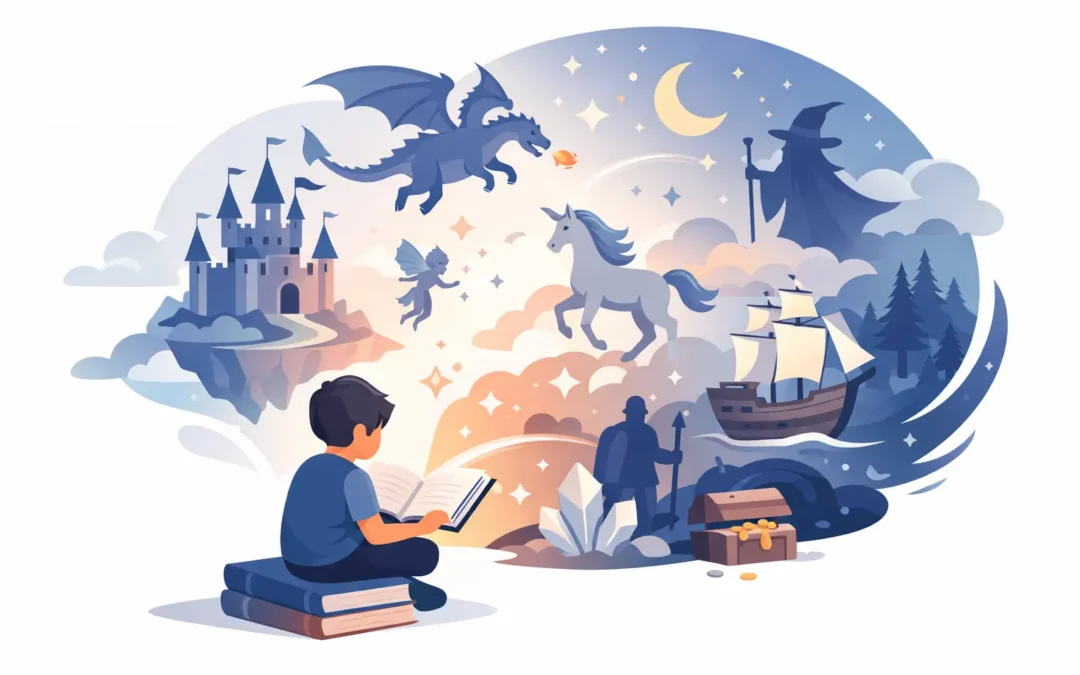
A child opens a book and suddenly the ordinary world loosens its grip. A hallway might hide a portal. A quiet girl might carry unusual power. A lonely child might find a friend in the last place anyone thought to look. When people ask why do kids like fantasy, the answer is not just that fantasy is fun. It is. But the deeper answer is that fantasy meets children where they are – full of questions, feelings, fears, hope, and a growing sense that the world is bigger than it seems.
Fantasy gives young readers something they need and something they want at the same time. It offers wonder, which draws them in, and meaning, which stays with them after the last page. For middle grade readers especially, that combination can feel electric.
Why do kids like fantasy in the first place?
Children live close to imagination. Adults often separate the real from the impossible with neat lines, but kids are still learning how the world works, who they are, and what kind of future might be waiting for them. Fantasy feels natural in that stage of life because it reflects the way childhood already feels – mysterious, surprising, and sometimes larger than language.
A child does not need to be convinced that hidden things might matter. They already suspect it. They know a grown-up can say, “It’s just a house,” while a child sees creaking stairs, shadows, secrets, and stories. Fantasy honors that instinct instead of flattening it.
That matters because children are not shallow readers. They may come for dragons, enchanted books, witches, magical forests, or impossible adventures, but they stay for the emotional truth underneath. The best fantasy tells them, in a language they can feel, that the strange parts of life are worth facing.
Fantasy makes big feelings easier to handle
One reason kids connect so strongly with fantasy is that it gives shape to emotions that can be hard to name. Fear becomes a monster. Loneliness becomes a dark wood. Hope becomes a key, a light, a spell, a friend who appears just in time.
For children, this is more than clever storytelling. It is relief. Real life can feel confusing or overwhelming, especially during the middle grade years, when friendships shift, confidence wobbles, and the world starts asking more of them. Fantasy creates enough distance for a child to think about difficult experiences without feeling cornered by them.
A story about a cursed town, for example, may also be a story about grief. A story about a missing magical object may really be about a child trying to hold a family together. A story about a hidden power may quietly speak to self-worth. Kids often understand these layers intuitively, even when they cannot explain them out loud.
This is part of why fantasy can be especially powerful for children moving through hardship. It does not deny pain. It transforms it into something navigable.
The freedom to imagine a different outcome
Childhood comes with limits. Adults make the rules. School schedules shape the day. Family circumstances can feel fixed. Kids do not control much, and they know it.
Fantasy offers a thrilling counterweight. In fantasy, a child can matter enormously. A kid can solve the mystery, break the curse, protect a friend, or save a place worth loving. That kind of story is not just escapism. It is practice in agency.
When young readers see characters their age making brave choices, they begin to imagine themselves as capable too. Not capable of casting literal spells, of course, but capable of speaking up, helping someone, enduring difficulty, or believing they have value. Fantasy lets possibility bloom before real life catches up.
That does not mean every fantasy story needs a world-ending quest. Smaller stakes can feel just as important. Protecting one friendship, one library, one home, or one fragile hope can matter deeply to a child reader. Sometimes those quieter victories are the ones that stay closest to the heart.
Why do kids like fantasy when real life is already full enough?
Because fantasy does not pull kids away from reality as much as adults sometimes assume. At its best, fantasy helps them return to reality with more courage and clarity.
A child who reads fantasy is not rejecting the real world. More often, they are looking for a way to understand it. Magic creates a frame where questions become visible. Who belongs here? What is worth protecting? Can broken things heal? What do we do when the people we love are struggling? How do we keep going when we feel small?
These are real questions, even in the most enchanted setting.
That is one reason fantasy with emotional grounding tends to resonate so strongly. Children want wonder, but they also want recognizable human stakes. They respond to stories where magic exists alongside friendship troubles, family strain, uncertainty, jealousy, kindness, and resilience. The invented world may be impossible, yet the feelings are completely true.
Fantasy respects children as deep thinkers
There is a common mistake adults make when choosing books for kids. They assume lighthearted means simple, or magical means less serious. But children are often more open to complexity than we give them credit for.
Fantasy invites them to think in symbols, patterns, and possibilities. It asks them to notice clues, imagine systems, and hold more than one truth at once. A place can be dangerous and beautiful. A character can be brave and afraid. A gift can also be a burden.
This is rich mental and emotional work, and kids are often eager for it.
Middle grade readers in particular are beginning to wrestle with moral shades of gray. They are old enough to sense that life is complicated, but young enough to still hunger for hope. Fantasy is uniquely suited to that balance. It can hold darkness without becoming despairing. It can show injustice without pretending goodness is powerless.
The role of wonder in growing up
Wonder is not fluff. It is a serious part of how children learn to care.
When a story makes a child marvel, it opens attention. It slows them down. It helps them notice. That may be the shimmer of a magical object or the rules of an invented world, but it can also be the ache in a character’s heart. Wonder and empathy often travel together.
A child enchanted by a story is often more willing to follow it into difficult places. They will walk farther with a character if they trust the journey will hold beauty along with struggle. That is one reason fantasy can be such a strong bridge for conversations about belonging, poverty, grief, family instability, or feeling unseen. Wonder keeps the door open.
It also gives children joy, which is not a small thing. Joy helps readers return to books. Joy builds stamina. Joy reminds children that reading is not only educational, but alive.
Not every child likes the same kind of fantasy
This is where it depends. Some kids love high-stakes adventures with elaborate worlds. Others prefer stories where the magic is tucked into ordinary life – a strange book, a mysterious shop, a whisper of enchantment in a familiar town. Some want funny fantasy. Some want spooky fantasy. Some want fantasy that feels almost real.
What draws one child in may push another away. A heavily built world can thrill one reader and overwhelm another. A gentle magical story may feel perfect for a child who wants emotional connection more than action. Taste, reading confidence, age, and temperament all play a part.
That is helpful for parents, teachers, and librarians to remember. If a child says they do not like fantasy, they may just not have met the right kind yet.
What adults often miss about fantasy readers
Adults sometimes see fantasy as a phase children will outgrow, but that misses the deeper value of these stories. Fantasy can help kids rehearse bravery, test ideas about fairness, and imagine themselves as worthy of help and capable of change.
It can also make room for children who feel out of place. Many fantasy heroes begin on the margins – misunderstood, underestimated, lonely, or quietly burdened. Young readers who know those feelings often recognize themselves there. That recognition matters.
This is one reason emotionally grounded fantasy can be so lasting. A magical story may entertain in the moment, but a meaningful one tells a child, “You are not strange for feeling what you feel. You are not alone in it. There may be more strength in you than anyone can see right now.”
That is not a small message. It is the kind readers carry into real life.
For many children, fantasy becomes a safe place to ask hard questions and keep hope intact. It lets them believe that hidden doors can open, that ordinary kids can matter, and that difficult chapters are not the end of the story. If a book can offer that kind of companionship, it is easy to understand why children return to fantasy again and again.
by | Jun 23, 2026 | Uncategorized
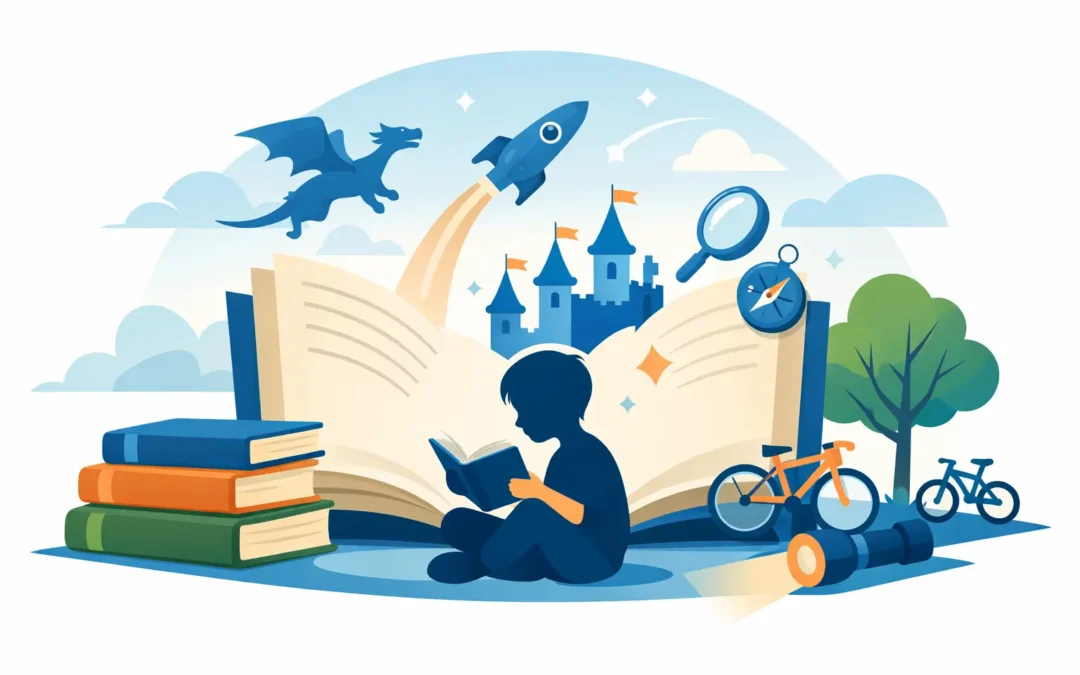
A child will forgive a lot in a story, but not boredom and not dishonesty. Middle grade readers are wonderfully openhearted, yet they know when a book is talking down to them. That is why the question of what makes a good middle grade novel matters so much. These books meet readers at a tender, searching age, when imagination still feels limitless and real life is starting to ask harder questions.
A good middle grade novel does not simply feature a child protagonist and call it done. It understands the emotional weather of being eight, ten, or twelve. It knows that a lost friend can feel like the end of the world, that a secret can weigh more than a backpack, and that one act of kindness can change the shape of a day. The best books for this age group offer adventure, yes, but they also offer recognition. They let readers feel seen.
What makes a good middle grade novel for young readers?
At the center, there has to be a child’s point of view that feels immediate and true. That does not mean every middle grade character sounds the same. Some are funny, some cautious, some bold, some bookish, some angry, some full of questions they cannot yet name. What matters is that their voice feels like it belongs to them and that their concerns feel urgent in the way childhood concerns are urgent.
Adults sometimes underestimate this. They assume younger readers need simplified emotions or neatly packaged lessons. In reality, middle grade readers can handle complexity. They understand loneliness, jealousy, shame, courage, and hope. What they need is clarity, not oversimplification. A strong middle grade novel makes room for big feelings while keeping the storytelling grounded enough for readers to follow.
The viewpoint also has to stay close to what a child would notice. A middle grade narrator may not have adult language for poverty, grief, or instability, but they will notice the overdue bill on the counter, the careful way a parent says everything is fine, or the embarrassment of wearing shoes that no longer fit. That kind of detail creates emotional truth.
Plot matters, but heart matters more
Children read for momentum. They want to know what happens next. If the story drifts too long without change, mystery, danger, or discovery, they will feel it. A good middle grade novel usually has a clear narrative engine: a problem to solve, a friendship to save, a family secret to uncover, a school year to survive, a world to protect, or a place to belong.
But plot alone is not enough. The story has to mean something to the character. Escaping a curse is interesting. Escaping a curse while trying to protect a sibling, prove your worth, or hold onto home is memorable. The outer journey and the inner journey need to move together.
This is where many good books become great ones. The stakes are not only about winning or losing. They are also about identity. Will this child learn they are brave? Will they trust someone? Will they stop blaming themselves for something they cannot control? Middle grade readers connect deeply when the action on the page is tied to emotional growth.
That said, not every book needs life-or-death stakes. Quiet stories can work beautifully in middle grade if the emotional consequences feel real. A school play, a spelling bee, a move to a new town, or the first real falling-out between friends can carry enormous weight at this age.
A sense of wonder goes a long way
Even realistic middle grade fiction often carries a feeling of possibility. In fantasy, that may show up as magic, hidden worlds, unusual powers, or enchanted objects. In contemporary stories, it may come through in the intensity of friendship, the mystery of a neighborhood, or the private importance of a library corner or treehouse. Wonder does not have to mean spectacle. It means the world feels alive.
For young readers, this matters. Childhood is full of thresholds – between dependence and independence, innocence and awareness, fear and courage. A good middle grade novel honors that feeling. It says that ordinary life can hold surprise, beauty, and transformation.
The best middle grade novels respect real struggles
Some of the most lasting books for this age group are not afraid of hardship. They make room for children dealing with divorce, bullying, money worries, grief, racism, family instability, disability, or the quiet ache of not fitting in. These stories matter because many readers are living some version of them already.
The key is balance. A good middle grade novel does not turn pain into spectacle, and it does not lean so hard into darkness that it forgets who the audience is. It tells the truth with gentleness. It gives readers enough hope to keep going.
Hope, in middle grade fiction, should feel earned. It is more powerful when it comes through action: a friend who stays, a teacher who listens, a grandparent who understands, a child who chooses kindness after being hurt. Young readers notice false comfort. They respond better when the story admits that some problems stay hard, even as the character grows stronger or less alone.
This is one reason books that blend emotional realism with imaginative appeal often stay with readers. Magic can heighten the stakes, but it can also create a safe way to approach painful truths. A story can hold enchantment in one hand and hardship in the other.
What makes a good middle grade novel for adults choosing books?
Parents, teachers, librarians, and booksellers often ask a slightly different version of the same question. They want a book children will love, but they also want one worth handing over. For them, quality often comes down to trust.
Can this story engage a reluctant reader without feeling shallow? Can it offer meaningful themes without becoming preachy? Can it start conversations about friendship, resilience, self-worth, or community change without sounding like homework?
A strong middle grade novel usually can. It gives adults substance to discuss, but it never forgets that the first job of a story is to hold a child’s attention. If a book has beautiful intentions but no narrative pull, young readers will set it aside. If it has nonstop action but no emotional weight, it may entertain for a day and disappear. The sweet spot is a story that moves and matters.
Credibility matters here, too. Adults look for emotional intelligence, age-appropriate treatment of serious topics, and writing that feels polished rather than rushed. They want stories that leave children feeling expanded, not merely occupied.
Humor helps more than people think
Even in serious books, humor is often part of what makes the reading experience feel safe and human. Middle grade readers love wit, awkward moments, surprising observations, and characters who can laugh at themselves once in a while. Humor creates relief. It also builds affection.
This does not mean every book has to be goofy. It means a little light can make difficult material easier to carry. A novel that understands when to be playful often has more emotional range than one that stays solemn from beginning to end.
Voice, pace, and age fit
One of the trickiest parts of writing middle grade well is getting the age fit right. If the voice sounds too old, readers may feel distanced from it. If it sounds too young, older middle grade readers may lose interest. The same is true for theme and pacing.
A good middle grade novel tends to move with purpose. Chapters invite one more chapter. Scenes begin close to the point. Description creates atmosphere without bogging down the story. Dialogue sounds natural and reveals character. The language is accessible, but not flat.
There is also an important trade-off here. Some writers chase simplicity so hard that the prose loses personality. Others write upward, aiming for literary polish, and forget the reader’s patience level. The strongest books find a middle path. They are readable and rich.
Memorable characters make the story last
Plot may get a child to pick up a book, but characters are often why they remember it. A good middle grade novel usually gives readers at least one character they care about deeply, whether that character is brave, messy, funny, lonely, or all four.
Supporting characters matter just as much. The best friends, rivals, siblings, grandparents, teachers, and neighbors should feel like people, not props. Even a small role can leave a mark if it is drawn with care.
And then there is the question of agency. Middle grade readers want to see kids matter in their own stories. Adults can exist, but they should not solve everything. Young protagonists need room to choose, fail, try again, and shape the outcome. That sense of agency is part of what makes reading empowering at this age.
A good middle grade novel does not need to follow one formula. It can be magical or realistic, funny or tender, fast-paced or reflective. But it should offer a child reader something precious: a story that feels alive, a character who feels true, and a path through trouble that still leaves room for wonder. If a book can do that, it does more than entertain. It becomes a companion, and sometimes that is exactly what a young reader needs.
by | Jun 21, 2026 | Uncategorized
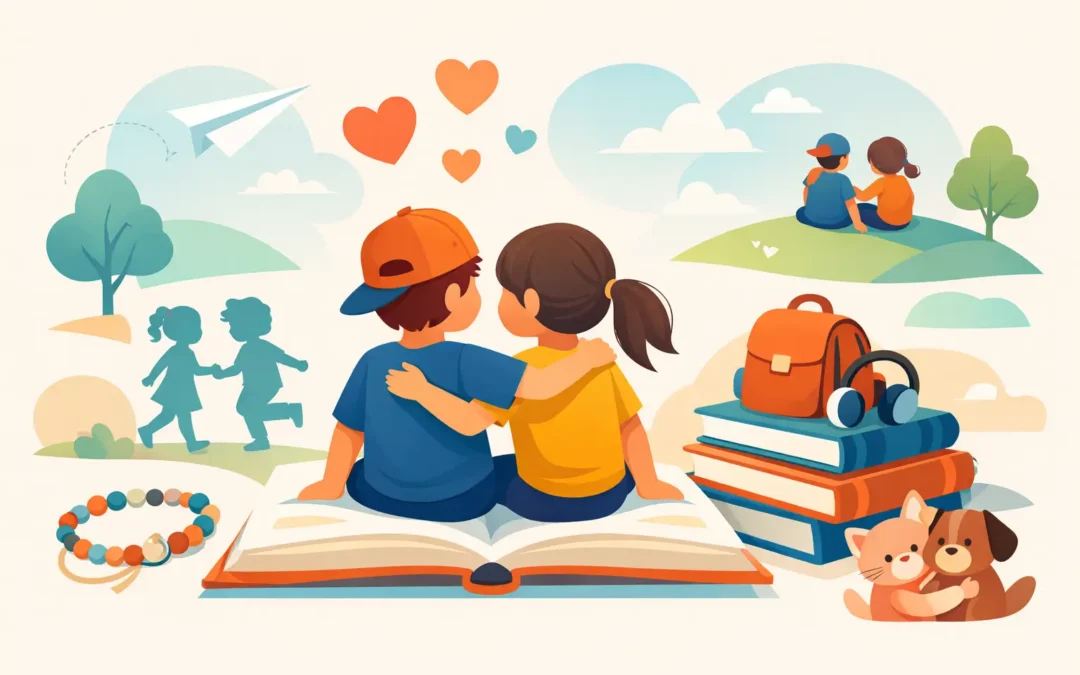
Ten is such a tender reading age. Kids are old enough to notice the quiet shifts in a friendship – who gets left out, who says sorry first, who stands by you when things feel hard – and young enough to still believe that one good friend can change everything. That is exactly why friendship books for age 10 matter so much. The right story can feel like company, comfort, and courage all at once.
For many readers, friendship stories are not just pleasant side plots. They are rehearsal spaces for real life. A book can help a child name jealousy without shame, recognize loyalty without needing a lecture, and understand that even strong friendships can stretch, wobble, and mend. At this age, that kind of emotional truth matters just as much as a fast-moving plot.
What makes friendship books for age 10 work
The best friendship stories for this age do more than show two characters having fun together. They make room for misunderstanding, difference, and growth. A strong middle grade friendship book usually gives readers a little of both: the warmth of connection and the honest reality that relationships can get complicated.
That balance is important. Some ten-year-olds still want light, funny stories with familiar school and family moments. Others are ready for books with bigger emotional stakes – grief, change, social pressure, or feeling like they do not quite fit. Neither kind of book is better. It depends on the child, their reading confidence, and what is happening in their own world.
A good friendship book at this age often includes one or more of these elements: a memorable bond, a challenge that tests it, and enough hope to leave readers feeling steadier than they did when they began. When a story manages that, it tends to stay with a child long after the last page.
12 friendship books for age 10 worth sharing
Wonder by R.J. Palacio
Few books capture the bravery of being seen quite like Wonder. Auggie’s story is about school, family, and kindness, but friendship is at its beating heart. The book shows how loyalty can begin in small choices and how compassion often grows when children are given the chance to look past first impressions.
For age 10, this one works especially well for readers who are thinking deeply about belonging and empathy. It can also open meaningful conversations at home or in the classroom.
Because of Winn-Dixie by Kate DiCamillo
This story has a gentle magic all its own, even without fantasy elements. Opal’s loneliness, her unexpected connections, and the friendships she forms through a stray dog create a world that feels warm and honest. It is a lovely choice for readers who like emotional depth without a heavy tone.
Friendship here is not only between kids. The book also shows how community can gather around someone when they need it most.
The One and Only Ivan by Katherine Applegate
At first glance, this may not seem like a traditional friendship story, but it absolutely is. Ivan’s bond with Ruby and Stella grows through care, courage, and the desire to protect one another. The emotional clarity of the writing makes big themes accessible to younger readers.
This is a strong pick for thoughtful ten-year-olds who connect with animal stories and books that stir compassion.
Roller Girl by Victoria Jamieson
Friendships change quickly in the preteen years, and Roller Girl understands that. Astrid’s shifting relationship with her best friend feels painfully real, but the story never loses its spark. It makes room for hurt feelings, new interests, and the difficult truth that growing up can pull friends in different directions.
Graphic novel readers often love this one because it is emotionally rich without feeling too intense.
Fish in a Tree by Lynda Mullaly Hunt
Ally’s journey is deeply moving, and the friendships she forms are part of what helps her begin to see herself differently. This is a story about learning differences, kindness, and the life-changing power of being understood.
For readers who have ever felt behind, different, or unsure of themselves, this book can be especially affirming. Friendship here feels like a safe place, not a reward.
Front Desk by Kelly Yang
This novel blends fast storytelling with real-world pressure in a way that many middle grade readers find gripping. Mia’s friendships are shaped by class differences, family struggles, and questions of fairness, which gives the book emotional weight without losing momentum.
It is a great option for kids ready for stories where friendship exists alongside larger challenges. That mix can make the characters feel especially real.
The Penderwicks by Jeanne Birdsall
Not every friendship book needs dramatic conflict. The Penderwicks offers humor, charm, and a cast of children whose connections feel lively and sincere. While sibling relationships are central, the friendships throughout the story are full of warmth and mischief.
This is a lovely choice for readers who want a cozy, character-driven book with plenty of heart.
Ghost by Jason Reynolds
Ghost is quick, vivid, and emotionally sharp. The friendships that begin to form around the track team are not easy or sentimental. They are built through vulnerability, pride, and second chances. That honesty is part of what makes the book so powerful.
Some ten-year-olds will be very ready for this. Others may need a slightly gentler entry point. It depends on the reader’s maturity and comfort with tougher themes.
Stella Díaz Has Something to Say by Angela Dominguez
Stella’s voice is bright and relatable, and her friendship struggles feel exactly the right size for middle grade readers. New classmates, self-doubt, family expectations, and finding confidence all weave together beautifully.
This is an excellent pick for children who like realistic school stories with humor and heart.
Bob by Wendy Mass and Rebecca Stead
Bob carries a touch of wonder that makes friendship feel both mysterious and deeply human. The story explores memory, loyalty, and that strange feeling of reconnecting with someone who still matters, even after time has passed.
For readers who love a little fantasy with their feelings, this one can be a special fit.
A Kind of Spark by Elle McNicoll
Addie’s story is thoughtful, fierce, and memorable. The friendships in this book are shaped by difference, misunderstanding, and the longing to be accepted as you are. It offers a powerful reminder that true friendship leaves room for a person’s full self.
This book may resonate strongly with readers who feel overlooked or misunderstood.
The Book Witch by K.L. Baxton
For readers drawn to stories where imagination and emotional truth walk hand in hand, The Book Witch offers friendship, resilience, and the comforting power of books. Its magic feels grounded in real worries and real hope, which makes the relationships especially meaningful. It is the kind of story that invites readers to believe that friendship can be a lifeline when life feels uncertain.
How to choose the right friendship book for a 10-year-old
Start with the child’s reading personality, not just their age. Some ten-year-olds want laugh-out-loud school stories. Others want heartfelt books that trust them with bigger feelings. If a child is already navigating friendship drama, a gentle, reassuring story may help more than a high-conflict one.
It also helps to think about format. A graphic novel like Roller Girl can be perfect for a strong visual reader, while a more layered novel like Front Desk may suit a child who enjoys sitting with complex emotions. Interest matters too. If a reader loves animals, sports, magic, or school stories, friendship will often land more naturally when it arrives inside a world they already want to enter.
Adults choosing books should also consider what kind of conversation they hope the story might spark. Some books lend themselves to talking about bullying, identity, or forgiveness. Others simply remind kids that being a friend takes courage and kindness. Both are valuable.
Why these stories stay with readers
Friendship books endure because they speak to one of childhood’s biggest questions: Will someone choose me, know me, and stay? At age 10, that question can feel enormous. A good book does not pretend friendship is always easy, and it does not need to. What it can do is offer a child language for what they are feeling and a sense that hard moments can be survived.
The most beloved friendship stories are often the ones that respect children’s inner lives. They understand that a lunch table problem can feel as large as a storm, that being left out can ache, and that one act of kindness can brighten an entire week. When authors write with that kind of care, children notice.
If you are choosing for a child in your life, trust the book that feels warm, honest, and a little bit brave. The right friendship story does more than entertain. It helps a young reader feel less alone, and that is a kind of magic worth passing on.