
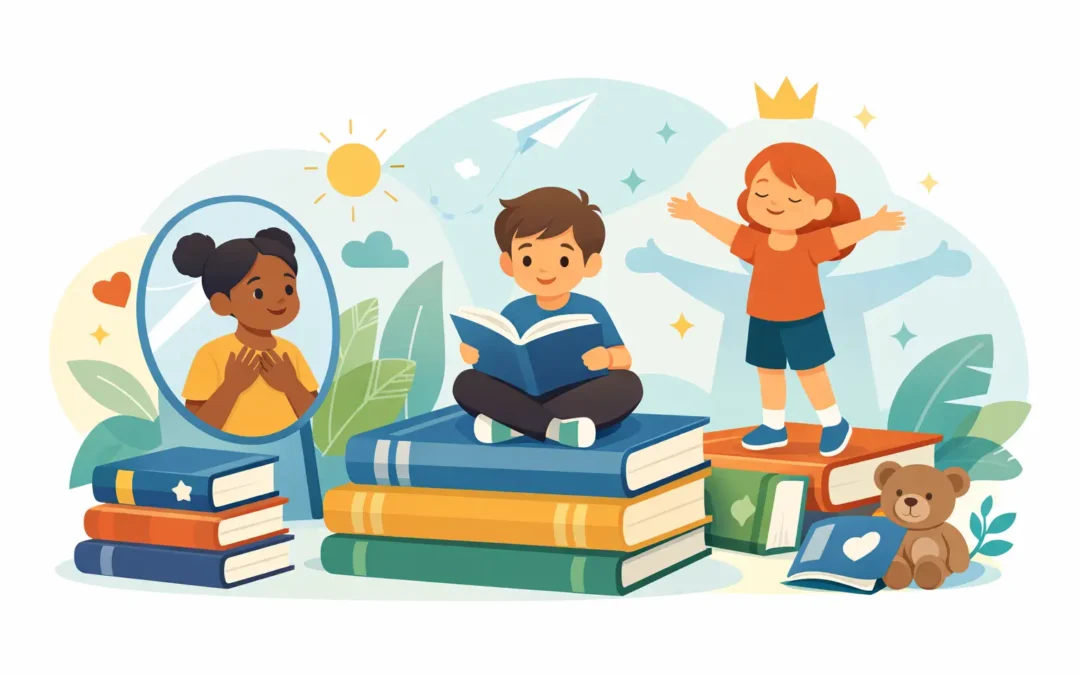
Some books entertain for an afternoon. Others stay with a child much longer, quietly changing the way they see themselves. The best books about self worth do exactly that. They offer more than a lesson. They give young readers a character to care about, a struggle that feels real, and a path toward believing that who they are matters.
For kids between 8 and 12, self-worth can feel slippery. One hard school day, one unkind comment, one friendship problem, and confidence can suddenly seem very far away. That is one reason stories matter so much at this age. A good book can help a child name big feelings without making them feel examined. It can open a conversation for parents, teachers, and librarians without sounding like a lecture.
Why books about self worth matter for middle grade readers
Middle grade is a season of becoming. Kids are paying closer attention to how they compare with others, how they fit into a group, and whether their voices count. They are also old enough to notice real-world pressures like money problems, family stress, learning differences, social status, and the ache of not feeling chosen.
Books about self worth can meet those worries with honesty and hope. The strongest ones do not simply say, “believe in yourself.” They show what that belief costs. They show embarrassment, mistakes, loneliness, and the slow work of trying again. That makes the message feel earned.
There is also a difference between praise and self-worth, and good literature understands it. Praise depends on performance. Self-worth runs deeper. It tells a child that they matter before they win, before they impress, and before they have everything figured out. Stories that carry this truth can be especially meaningful for readers who are facing instability or feeling overlooked.
What to look for in books about self worth
Not every book with a positive message will truly connect. For this age group, the most memorable stories tend to balance emotional depth with momentum. Children want to feel something, but they also want a plot that carries them forward.
Look for characters who struggle with believable doubts rather than exaggerated problems designed to teach a tidy lesson. A child who feels invisible, ashamed, different, or uncertain will recognize that kind of character. When the story lets that character grow through friendship, courage, creativity, or small acts of persistence, the emotional payoff is stronger.
It also helps when self-worth is woven into the story rather than pasted on top of it. In some books, the theme rises through a fantasy quest. In others, it appears through family conflict, school life, or community change. Both approaches can work. It depends on the child. Some readers need a realistic mirror. Others need a little magic to help them get close to hard feelings.
12 strong picks for kids and the adults guiding them
1. Wonder by R.J. Palacio
This remains a meaningful choice because it shows how identity can be shaped by the way others respond to us, while also insisting that a person is far more than what others see first. Auggie’s story invites compassion, but it also asks readers to think about dignity, courage, and kindness in a deeper way.
2. The Hundred Dresses by Eleanor Estes
Short, quiet, and still powerful, this classic explores shame, social exclusion, and the lasting impact of small cruelties. It is especially useful for conversations about how self-worth can be bruised by a group and how regret can teach empathy.
3. Fish in a Tree by Lynda Mullaly Hunt
For children who feel “less than” because school is hard, this book can feel like a hand on the shoulder. Ally’s journey reminds readers that struggling in one area does not erase intelligence, creativity, or value.
4. El Deafo by Cece Bell
Funny, honest, and full of heart, this graphic memoir offers a refreshing take on difference and belonging. It speaks clearly to kids learning how to accept themselves while also wanting to fit in.
5. Out of My Mind by Sharon M. Draper
This novel asks readers to look beyond assumptions. Melody’s brilliance, frustration, and determination challenge narrow ideas about ability and worth. It can be a powerful read for building empathy and self-respect.
6. Stargirl by Jerry Spinelli
This one works well for older middle grade readers ready to wrestle with a harder question: what does it cost to stay true to yourself? The story does not offer easy answers, which is part of what makes it memorable.
7. Blended by Sharon M. Draper
Self-worth can be deeply tied to identity, family, and how others categorize us. This book gives readers a thoughtful way to explore belonging and the pressure of feeling split between worlds.
8. Ivy Aberdeen’s Letter to the World by Ashley Herring Blake
Tender and observant, this novel captures the uncertainty of trying to understand yourself when the world feels unstable. It treats a child’s interior life with care, which is exactly what many sensitive readers need.
9. Wishtree by Katherine Applegate
Sometimes self-worth grows through community and connection rather than individual triumph. This book brings warmth, gentleness, and a sense of belonging that can reassure children who feel alone.
10. The Miscalculations of Lightning Girl by Stacy McAnulty
Lucy is brilliant, but brilliance does not protect her from loneliness. This story handles friendship, perfectionism, and the need to be known for more than one trait. It is a strong reminder that worth is not the same thing as achievement.
11. Hello, Universe by Erin Entrada Kelly
This is a lovely choice for readers who feel quiet or overshadowed. Its characters are flawed, searching, and deeply human. Their stories show that courage often begins in small moments.
12. The Book Witch by K.L. Baxton
For readers drawn to stories where magic and hardship exist side by side, this kind of novel can offer something special. When a story blends wonder with themes like poverty, friendship, and resilience, it can help children see that self-worth is not a reward for having an easy life. It can be something a child claims even in the middle of uncertainty.
How to match the right book to the right child
A book about self-worth will land differently depending on what a child is carrying. A reader who is struggling socially may connect most with a story about friendship and belonging. A child facing academic frustration may need a character who learns that being smart does not look only one way. Another child may resist realistic stories entirely and respond better to fantasy, humor, or graphic novels.
That is why the best recommendation is rarely just, “this book has a good message.” It is, “this book feels like it understands something about you.” Adults who know a child well can often sense the difference.
It also helps to think about reading stamina and sensitivity. Some books are emotionally intense. Others offer a lighter touch. Neither is better. It depends on whether the reader needs catharsis, reassurance, or simply a doorway into the subject.
Using stories to start gentle conversations
One of the best things about books is that they let difficult feelings sit beside a plot. A child can talk about a character first, which often feels safer than talking about themselves. That can make books about self worth especially useful at home and in classrooms.
After reading, simple questions go a long way. Which part felt true? When did the character feel smallest? What helped them begin to believe in themselves? Did anyone in the story make things better or worse? These conversations do not need to be formal. A car ride, bedtime chat, or library visit can be enough.
Sometimes a child will not want to discuss the theme at all, and that is fine too. Reading still does quiet work. Stories can plant language for feelings a child is not ready to name yet.
The trade-off between comforting and challenging books
There is real value in comforting books that reassure kids they are lovable as they are. There is also value in books that challenge readers by showing how self-worth can be tested by unfairness, rejection, or misunderstanding. A steady reading life usually needs both.
If every story resolves too neatly, children may feel confused when real life remains messy. But if every book is heavy, reading can start to feel like homework for the heart. The sweet spot is a mix of honesty and hope. The child should close the book feeling seen, not burdened.
That is often where middle grade fiction shines. At its best, it tells the truth about pain while still leaving room for wonder, friendship, and change.
The right story cannot remove every doubt a child carries. What it can do is offer a companion for the journey – a character who stumbles, hurts, keeps going, and slowly learns that their value was never up for debate in the first place.