
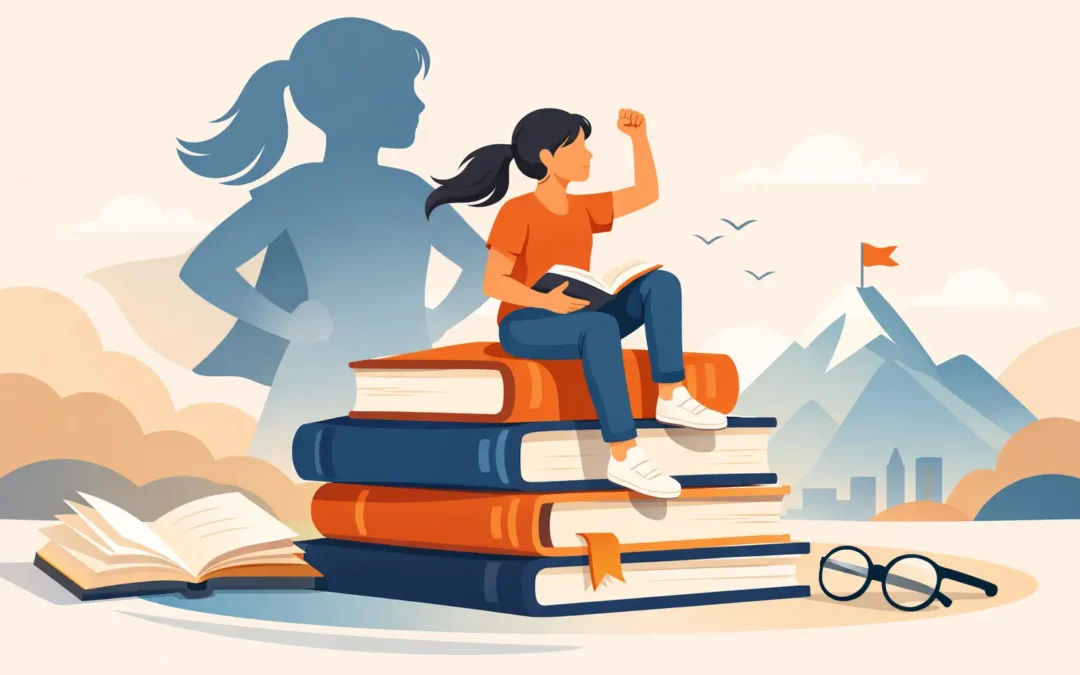
Some girls in books swing swords. Some guard secrets. Some survive hard seasons with nothing but grit, kindness, and a stubborn belief that life can get better. When families, teachers, and librarians go searching for books with strong girl protagonists, they are often looking for more than action. They want stories where courage has texture – where bravery can look like telling the truth, protecting a friend, speaking up, or holding on to hope.
That is part of what makes middle grade fiction so powerful. Readers in this age range are figuring out who they are and what kind of strength feels true to them. A strong girl protagonist does not have to be fearless, perfect, or larger than life. In fact, the most memorable heroines usually are not. They make mistakes. They feel afraid. They carry questions they cannot answer right away. Still, they keep going.
What makes books with strong girl protagonists stand out?
Strength in children’s literature is often misunderstood. It is easy to reduce it to toughness, confidence, or a talent for saving the day. Those traits can be exciting, but they are only one version of strength. In the best middle grade novels, girl protagonists are allowed to be imaginative, vulnerable, funny, angry, loyal, uncertain, and brave all at once.
That range matters. Young readers deserve heroines who reflect the real complexity of growing up. A girl can love books and still be bold. She can be quiet and still be powerful. She can need help and still be the center of her own story. For the adults choosing books, this is often the difference between a character who entertains and one who truly stays with a child.
There is also a practical side to this. Books with emotional depth tend to invite stronger conversations. A child may connect with the adventure first, then open up later about friendship trouble, family stress, loneliness, or self-doubt. The story becomes a bridge.
12 books with strong girl protagonists to put on a child’s shelf
Matilda by Roald Dahl
Matilda remains a classic for a reason. She is small, overlooked, and underestimated, yet she meets the world with intelligence, humor, and a fierce sense of fairness. Her strength is not just in her unusual gifts. It is in the way she refuses to let cruelty define her.
This book is especially good for readers who love stories about books, learning, and finding allies in unexpected places. It has a mischievous edge, so it works best for children who enjoy bold villains and big emotional payoffs.
Esperanza Rising by Pam Muñoz Ryan
Esperanza begins the story surrounded by comfort, then loses almost everything. What follows is not a simple tale of instant resilience. It is a gradual, deeply felt journey toward humility, compassion, and inner strength.
For parents and educators, this is one of those rare novels that opens meaningful conversations about hardship, dignity, labor, and community without losing its emotional warmth. Esperanza’s strength grows through change, and that feels honest.
The Girl Who Drank the Moon by Kelly Barnhill
Luna grows up in a world shaped by sorrow, mystery, and magic. This novel is rich with wonder, but its emotional core is what gives it staying power. Luna’s story explores love, sacrifice, truth, and the cost of fear.
This is a wonderful pick for readers who enjoy fantasy with depth. It asks a little more of its audience than a fast-paced adventure would, but that is part of its reward. The book trusts children to hold beauty and sadness in the same story.
Anne of Green Gables by L.M. Montgomery
Anne Shirley is imaginative, impulsive, talkative, and impossible to forget. Her strength comes through personality as much as perseverance. She faces embarrassment, loneliness, and the longing to belong, yet she continues to meet life with bright feeling and hope.
Some readers will adore Anne immediately. Others may need a little patience with the older style. Still, for children who love words, daydreaming, and big-hearted heroines, Anne offers a lasting kind of companionship.
Front Desk by Kelly Yang
Mia Tang is managing more than most adults could handle. She helps her parents run a motel, navigates prejudice, protects others, and keeps dreaming bigger than her circumstances. Her voice is lively and engaging, but the story never shies away from real pressure.
This is one of the strongest choices for readers who want contemporary realism with heart. Mia’s courage is active and practical. She solves problems, but she also learns that strength includes asking who gets left out and why.
El Deafo by Cece Bell
In graphic novel form, El Deafo introduces readers to Cece, a girl learning how to live with hearing loss while figuring out friendship, embarrassment, identity, and confidence. The tone is funny and approachable, which helps younger readers enter the story with ease.
Cece’s strength is especially meaningful because it never pretends everything feels fine. She wants connection. She gets frustrated. She imagines herself as heroic before she fully feels that way. Many children will recognize that emotional path.
A Wrinkle in Time by Madeleine L’Engle
Meg Murry is one of the great middle grade heroines because she is brilliant, awkward, impatient, loving, and deeply human. She does not become strong by turning into someone else. She becomes strong by accepting the very qualities she thought made her difficult.
For readers who enjoy science fantasy and big ideas, this book offers adventure with soul. Some children may find parts of it abstract, but for the right reader, Meg can be life changing.
Brown Girl Dreaming by Jacqueline Woodson
This memoir in verse introduces readers to Jacqueline as a child finding her voice, her place, and her understanding of the world around her. It is quieter than some books on this list, but no less powerful.
Strength here looks like observation, memory, and self-discovery. For children who do not always see themselves in loud or dramatic heroines, this book can feel deeply affirming. It also works beautifully in classrooms because it invites reflection without feeling heavy-handed.
The Penderwicks by Jeanne Birdsall
This book gives readers a whole cast of memorable girls, each with her own temperament and strengths. Rosalind is responsible, Skye is fiery, Jane is imaginative, and Batty is tender and observant. Together, they create a portrait of girlhood that feels expansive rather than narrow.
It is an especially lovely choice for readers who enjoy family-centered stories and gentle humor. There are lower stakes here than in some fantasy adventures, but emotional truth carries the story.
The War That Saved My Life by Kimberly Brubaker Bradley
Ada’s story is unforgettable. Neglected and isolated, she escapes into a new life shaped by World War II, where she begins to discover her own worth. The novel handles trauma with care while still making room for trust, growth, and hope.
This is not a breezy read, and that is worth considering depending on the child. But for many readers, Ada’s hard-won strength makes this one of the most rewarding books they will encounter.
Amari and the Night Brothers by B.B. Alston
Amari is smart, determined, and utterly compelling as she enters a hidden supernatural world while searching for her missing brother. The pacing is strong, the worldbuilding is fun, and the emotional thread keeps the story grounded.
This is an excellent recommendation for readers who want magic, mystery, and a heroine who keeps going even when the odds feel stacked against her. It has broad appeal and works especially well for kids ready for a page-turner.
The Book Witch by K.L. Baxton
For readers drawn to stories where magic and real life meet, this novel offers a girl at the center of both wonder and struggle. It speaks to children who know that courage is not always loud and that books can feel like shelter, strength, and possibility at once.
That combination matters. When a story honors hardship but still makes room for hope, it gives young readers something precious – the sense that imagination is not an escape from life, but one way of surviving it.
How to choose the right strong heroine for a reader
Not every child connects with the same kind of brave. Some want girls who battle villains and crack codes. Others want heroines who face school trouble, family changes, or the quiet ache of not fitting in. The best recommendation usually begins with the child, not the label.
A confident fantasy reader may race through Luna, Meg, or Amari. A child who wants realism may find Mia or Ada more immediate. A reader who loves humor and heart might fall for Matilda or Cece. And some children need a book that meets them gently, offering courage in a form that feels close enough to touch.
Adults sometimes worry that a serious theme will make a book too sad, or that a magical story will not feel meaningful enough. Often, the opposite is true. Children can handle more emotional truth than we expect when a story offers care, clarity, and hope. And fantasy can carry truth straight to the heart.
The strongest girl protagonists do not all look alike, and that is exactly the point. They remind readers that strength can be fierce, thoughtful, tender, bookish, outspoken, awkward, resilient, or still in the making. Sometimes the right book arrives at the right moment and quietly tells a child, You do not have to be fearless to be brave.