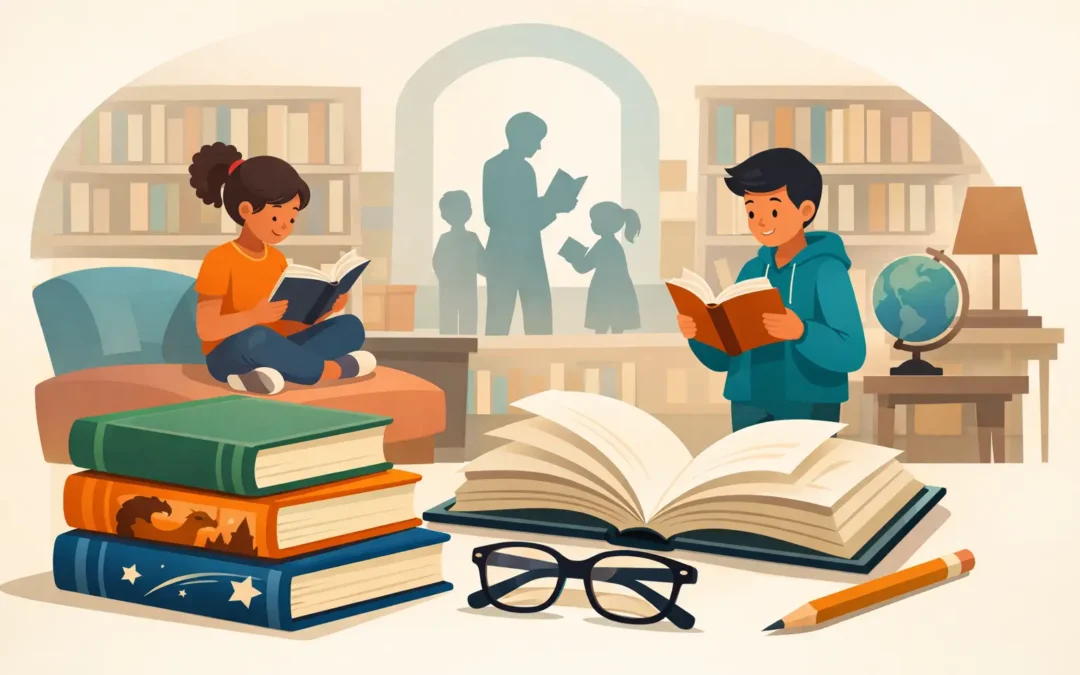
A child may enter the library looking for a dragon, a mystery, or a story that will make them laugh. Sometimes, without quite meaning to, they leave with something else too: a character who understands what it feels like to be left out, worried about money, or unsure where they belong. That is the quiet power of thoughtful middle grade books for libraries. They offer an escape, but they can also help young readers feel less alone.
For librarians, educators, and families, choosing books for ages 8 to 12 means holding both needs at once. The shelves should be full of page-turning adventures, humor, wonder, and friendship. They should also make room for stories with emotional truth – books that respect young readers enough to name hard things while leaving them with hope.
What Middle Grade Books for Libraries Need to Do
A strong middle grade collection does not need to choose between entertaining children and supporting their growth. The most memorable books do both. They invite readers into a world worth visiting, then give them a character or question to carry back into their own lives.
At this age, readers are becoming more independent, but they are also deeply influenced by what feels possible in a story. A child who has never faced housing insecurity may gain compassion for a classmate who has. A child whose family is struggling may find relief in seeing those worries handled with care. A child who feels invisible may recognize the bravery it takes to speak up, ask for help, or trust a new friend.
That does not mean every book must teach a lesson. Young readers can spot a lecture from several shelves away. The best stories let meaning grow naturally from the characters’ choices, mistakes, humor, fears, and victories.
Wonder makes difficult subjects approachable
Fantasy, mystery, and magical realism can provide a gentle doorway into real concerns. A spell, a hidden room, or an unusual quest creates enough distance for children to consider big feelings safely. Magic does not erase hardship, but it can give a reader a new language for it.
This is especially valuable in library collections. One student may select a realistic novel because they want a story that feels familiar. Another may only reach for the same emotional truth when it is wrapped in enchantment. Both reading paths deserve a place on the shelf.
Build a Collection With More Than One Kind of Hero
Children need heroes who are bold, certainly, but they also need heroes who are worried, imperfect, creative, stubborn, grieving, or still figuring things out. When every protagonist is naturally confident and endlessly capable, some readers may conclude that bravery belongs to someone else.
Look for characters who solve problems in different ways. One might use humor. Another may rely on careful observation, family knowledge, persistence, art, or the courage to tell the truth. Friendship-centered stories matter here because they show that strength is not always solitary. Sometimes it is accepting help. Sometimes it is noticing that someone else needs it.
Representation should extend beyond what is visible on a cover. A meaningful collection includes varied family structures, financial circumstances, cultures, abilities, identities, communities, and emotional experiences. It also avoids treating any one child’s hardship as their entire identity. Readers deserve characters with dreams, quirks, talents, and ordinary joys alongside the challenges they face.
Choose Books That Respect the Middle Grade Reader
Middle grade readers are not too young for serious themes, but they do need stories shaped for their stage of life. The difference often comes down to perspective and emotional safety. A difficult topic can be appropriate when the story stays rooted in the young protagonist’s experience, avoids graphic detail, and offers some sense of care, agency, or connection.
Hope is not the same as a perfectly tidy ending. Real life is often unresolved, and readers know that. Hope can be a repaired friendship, a trusted adult, a new plan, a moment of self-belief, or the knowledge that a problem does not have to be carried alone.
Before adding a title, consider the emotional arc as well as the subject matter. Does the character have room to act? Are adults portrayed with enough nuance to feel believable? Does the book leave readers with something steadier than despair? These questions are particularly useful for stories involving poverty, family instability, bullying, grief, or mental health.
Balance Familiar Favorites With Fresh Discoveries
Beloved series and popular authors help children become regular library visitors. A reader who knows exactly what they want has already built an important habit. Yet a collection becomes more inviting when familiar names sit beside lesser-known voices, debut novels, and standalone stories that might surprise someone.
This balance is partly practical. High-demand books keep circulation moving, while quieter titles often become the book a child remembers years later because it found them at the right moment. Displays can help bridge the gap. Pair a well-known fantasy series with other magical adventures, or create a table of books about friendships that change, brave kids facing impossible odds, or stories where libraries hold secrets.
The same principle applies to format. Novels, graphic novels, verse novels, audiobooks, and short story collections all give readers different ways into literature. A child who struggles with dense text is not less of a reader. Offering choices says, clearly and kindly, that reading belongs to them too.
Consider Read-Aloud and Discussion Value
Some books shine brightest in a child’s private reading life. Others create rich conversations in classrooms, book clubs, and family reading time. The strongest library collections need both.
When evaluating a title for group use, ask whether it opens a door rather than closes one. Can students talk about a character’s decision without feeling pressured to reveal personal experiences? Are there moments of humor or wonder that help balance heavier conversations? Does the story encourage readers to think about kindness, fairness, resilience, or community in ways that are specific rather than preachy?
A book such as The Book Witch can work especially well for readers who love the possibility that books hold more than words on a page. Its magical premise sits alongside themes of friendship, self-worth, and family challenges, giving adults natural conversation starters without taking away the pleasure of a spellbound adventure.
Let Young Readers Help Shape the Shelves
A library collection should not be built only from adult assumptions about what children ought to read. Pay attention to what readers request, reread, recommend to friends, and carry around with a finger marking their place. Their enthusiasm is useful collection knowledge.
Invite suggestions through a simple request box, informal conversations, or student-led displays. Ask what kinds of stories feel missing. Perhaps readers want more funny books with girls at the center, more mysteries without frightening violence, more adventures featuring animals, or more stories about kids navigating blended families. Their answers may reveal gaps that reviews and bestseller lists do not.
Of course, requests must be weighed against budget, age range, community needs, and collection policy. Not every title will fit every library. But listening makes the selection process more responsive, and it teaches children that their reading lives are worth taking seriously.
Make Discovery Feel Like an Invitation
Even an exceptional book cannot matter to a reader who never notices it. Small acts of curation can turn shelves into invitations. Face-out displays, handwritten staff recommendations, seasonal themes, and pairings such as “If you liked this, try that” can help a child take a chance on an unfamiliar title.
Keep the language warm and reader-focused. Instead of describing a book only by genre or reading level, name the feeling it offers: “For readers who want a little magic when life gets complicated,” or “For anyone who has ever needed a friend to believe in them first.” A brief note like that can create the spark that sends a book home.
The goal is not to find one perfect list of middle grade books for every library. Every community, budget, and group of readers is different. The goal is to build shelves where children can find adventure when they need escape, understanding when they need comfort, and characters who remind them that even small acts of courage can change a story.